

/ Research
Understanding Stakeholder Engagement in Living Labs
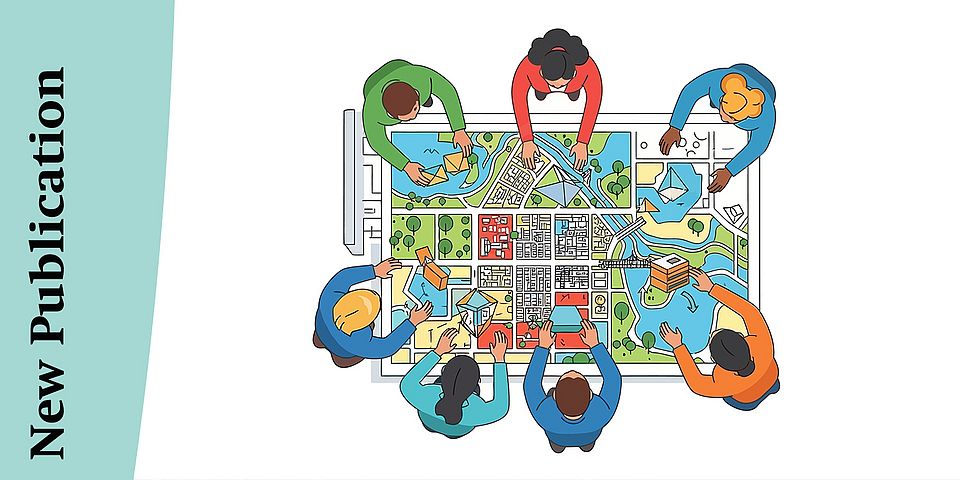
A new study co-authored by parts of our research group at the University of Basel examines how different stakeholder groups engage in living labs for sustainability transitions. The findings highlight shared motivations but diverse barriers and enabling factors.
A new Open Access article by Iljana Schubert, Annika Sohre, Adam X. Hearn and Nele M. Keshishian has been published in Sustainability: Science, Practice and Policy .
Living labs support sustainability transitions by enabling experimentation and the co-creation of solutions to complex societal challenges. However, comparative evidence on stakeholder motivations and barriers to engagement has so far been limited.
This study analyzes four stakeholder groups – civil society, local government, business, and science – using a mixed-methods approach in a Swiss city. The results show that motivations are similar across groups, including increasing social cohesion (particularly for residents and local businesses) and contributing to sustainable change.
At the same time, barriers and enablers vary across stakeholder groups and are shaped by both internal and external factors. The findings highlight the need for tailored, context-sensitive participation strategies, as well as the importance of trust, flexibility, alignment, and inclusive structures. Systemic barriers and power dynamics further influence engagement processes.
The study also emphasizes the role of local administrations in supporting grassroots initiatives and streamlining bureaucratic processes to help scale up sustainability transformations – especially where shared visions exist.
Quick Links