

/ Forschung
New Study Examines Justice and Inclusion in Zero-Deforestation Supply Chains
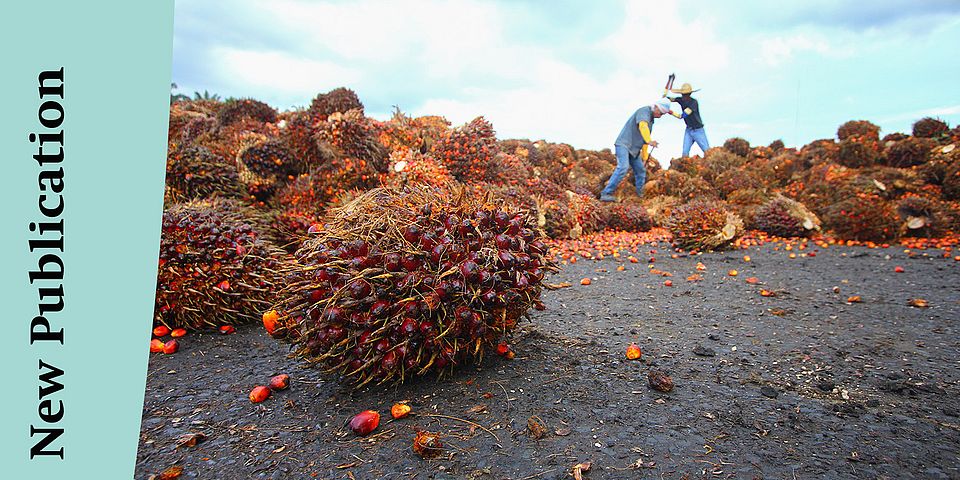
A new publication by Janina Grabs and co-authors explores how zero-deforestation commitments in the Indonesian palm oil sector are experienced by local actors. The study highlights the importance of participation, trust, and long-term relationships for socially just sustainability transformations.
Zero-deforestation commitments (ZDCs) have become a central strategy for addressing environmental destruction in global commodity supply chains, particularly in sectors such as palm oil. A new study co-authored by Prof. Dr. Janina Grabs from the Sustainability Research Group at the University of Basel investigates how these commitments are perceived and implemented at the local level in Indonesia.
Based on 28 focus group discussions and 25 expert interviews conducted in two provinces on Sumatra, the researchers examine the experiences of smallholders, cooperatives, and other local stakeholders involved in sustainable palm oil production. The findings reveal important shortcomings in participation, grievance mechanisms, and the consideration of local expectations within existing sustainability governance systems.
The study argues that sustainability initiatives should move beyond technical compliance approaches and place greater emphasis on relationships, trust, and care-based forms of support. According to the authors, more socially inclusive governance is essential for achieving equitable and lasting sustainability transformations.
The article was published in the open-access journal PLOS Sustainability and Transformation.
Quick Links